
Energy & Utility Inspection Drones: Everything You Need To Know In 2023
Updated: Apr 17
In the rapidly evolving landscape of energy and utility inspections, the use of drones has seen a significant surge. These versatile drones have transformed the way utility inspections are carried out, offering unmatched access to hard-to-reach areas and providing high-resolution imaging capabilities.
In this article, we delve into the myriad benefits of employing energy and utility inspection drones, highlighting the inefficiencies and risks associated with traditional methods. We explore the various types of drones tailored for energy and utility inspections and offer valuable tips for conducting successful missions.
Lastly, we catch a glimpse of the future of utility inspections, emphasizing why Inspired Flight should be your trusted provider for energy and utility inspection drones.
Introduction to Energy & Utility Drone Inspection
The energy and utility sector carries the responsibility of maintaining critical infrastructure, including power lines, wind turbines, solar panels, and pipelines. Ensuring the optimal performance of these assets and identifying potential issues before they escalate is of utmost importance. Historically, manual inspections conducted by human workers were not only time-consuming but also posed safety risks. Drones have revolutionized this process, making inspections more efficient, cost-effective, and safe.
Commercial drones equipped with advanced payloads, such as high-quality cameras and thermal sensors, swiftly and accurately capture images and data from various angles. This eliminates the need for physical access, enabling inspectors to identify defects, damages, and potential hazards. Drone inspection data can be quickly analyzed and shared with stakeholders, facilitating timely decision-making and proactive maintenance.

Why Use Drones for Utility Inspections?
Drones offer several advantages over traditional methods when it comes to inspecting utility lines. In the past, utility companies had to dispatch teams of technicians for physical inspections, a time-consuming and potentially hazardous endeavor. Drones, on the other hand, make the process significantly safer and more efficient. They can navigate challenging terrains and access areas inaccessible to humans.
Moreover, drones provide a comprehensive view of utility lines' condition by capturing images and videos from various angles. This comprehensive data enables utility companies to identify potential issues, such as damaged or worn-out components, and take immediate action to prevent further damage or outages.
Wind turbines and solar panels, often located in remote areas, can also benefit from drone inspections. Drones can fly over these installations, capturing high-resolution images for technicians to assess equipment condition without physical access.
Drones equipped with thermal imaging payloads can detect abnormalities in temperature, such as hotspots, in power lines, wind turbines, or solar panels. Identifying these issues promptly allows technicians to address them before they escalate.
The use of energy and utility drones for inspection purposes has revolutionized utility companies' operations, offering a cost-effective and efficient solution for gathering data and assessing infrastructure conditions. By harnessing commercial drone technology, these companies can ensure asset reliability and longevity, benefiting both the company and its customers.
Why Current Energy & Utility Inspection Methods Are Inefficient and Dangerous
Traditional energy and utility inspection methods heavily rely on manual labor and visual inspections. Human inspectors must physically access infrastructure, often exposing themselves to risks. Climbing tall structures and navigating challenging terrains can lead to accidents and injuries.
Manual inspections are also time-consuming and labor-intensive. Inspectors must visually examine each component, increasing the chances of missing potential issues or inaccurately assessing infrastructure conditions. This can result in maintenance delays, increased costs, and reduced efficiency for utility companies.
How Utility Inspection Drones Work
Utility inspection drones can carry advanced imaging technologies like thermal cameras and LiDAR sensors. These sensors enable drones to capture detailed images and precise data about the infrastructure. Thermal cameras detect heat signatures, identifying hotspots or malfunctions in power lines or transformers. LiDAR sensors create three-dimensional maps of the infrastructure, facilitating accurate measurements and assessments.
During an inspection, a trained operator remotely pilots the drone, viewing live video feeds from onboard cameras. This real-time analysis enables immediate issue identification. After completing the inspection, collected data undergoes analysis using specialized software, generating comprehensive reports for further analysis and decision-making.

Top Benefits of Drones in Utility & Energy Inspections
Enhanced Safety: Drones significantly improve safety during utility inspections by eliminating or reducing the need for human inspectors to access dangerous areas.
Time and Cost Savings: Drones complete inspections quickly, covering large areas in a fraction of the time manual inspections would require, leading to cost savings for utility companies.
Improved Accuracy: Advanced imaging technologies allow drones to capture highly detailed and precise data, enabling more accurate assessments of infrastructure conditions.
Early Issue Detection: Regular drone inspections help identify potential issues before they become major problems, reducing downtime and overall maintenance costs.
Efficient Maintenance Planning: Drone-collected data and reports aid in creating effective maintenance plans, optimizing resource allocation and scheduling repairs.
Tips for Energy & Utility Drone Inspections
To ensure successful energy and utility drone inspections, it is essential to follow best practices:
Proper Training: Operators should undergo comprehensive training to operate drones safely and effectively.
Regular Maintenance: Keep drones well-maintained following the manufacturer's guidelines for routine upkeep.
Weather Conditions: Consider weather conditions before inspections, as strong winds or rain can affect drone performance.
Secure Data: Implement robust data security measures to protect collected information from unauthorized access.
Stay Updated: Stay current with the latest advancements in drone technology to leverage new features and improvements.
Types of Drones for Utility Inspection
Choosing drones for your energy and utility inspections opens up numerous possibilities. At Inspired Flight, we recommend several quality drones for energy and utility inspections, with the top two options being the IF800 Tomcat and the IF1200A.
IF800 Tomcat
For reliable and durable energy and utility inspections, the IF800 Tomcat is the ultimate solution. The IF800 Tomcat drone presents an ideal solution for reliable and robust energy and utility inspections. This cutting-edge medium-lift drone by Inspired Flight boasts impressive features, including a 40-minute flight time, a maximum payload capacity of 6.6 pounds, a top speed of 51 mph, and exceptional wind resistance at 23 knots.
Its compact and portable design enables seamless operations, even in areas with limited accessibility, making it a top recommendation among Inspired Flight's energy and utility inspection drones.

IF1200
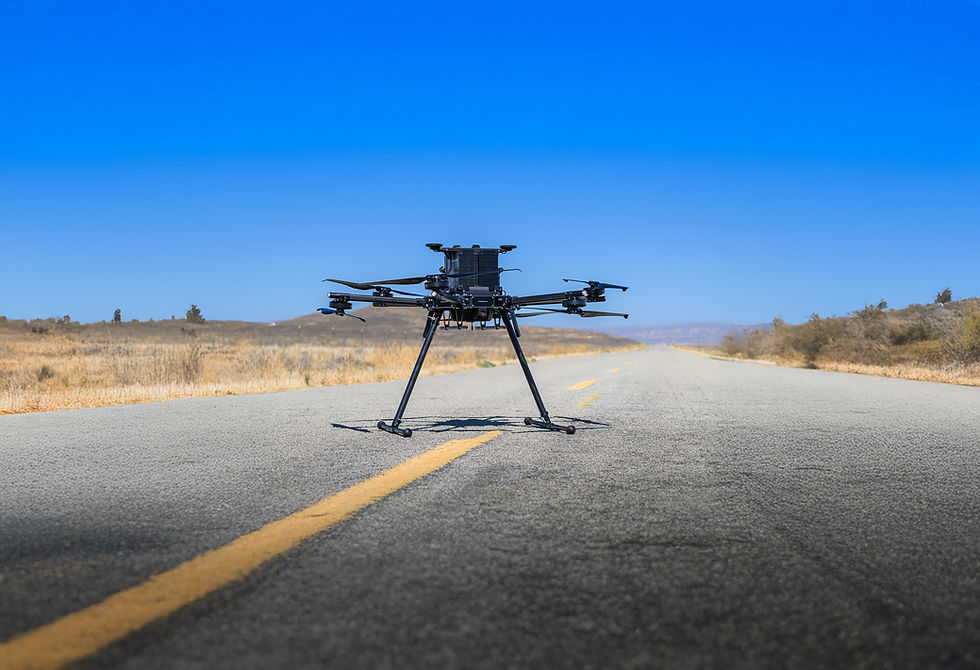
Another dependable choice for utility inspections is the IF1200 drone, exclusively crafted with American components. This versatile drone supports a maximum payload weight of 19.1 pounds and offers a generous flight time of 43 minutes. It ascends at a speed of 16 feet per second, descends at 10 feet per second, and achieves an overall maximum speed of 56 MPH.
Future Of Utility Inspections
The future of utility inspections holds significant promise, driven by ongoing advancements in drone technology and data analysis capabilities. Drones are evolving towards greater autonomy, enabling automated inspections and data collection. Equipped with advanced sensors and cameras, these drones will facilitate more precise and detailed inspections.
Moreover, the integration of drones with complementary technologies will elevate the data analysis process, fostering predictive and proactive inspection approaches. Drones will play a pivotal role in identifying potential issues before they escalate into critical problems, enhancing efficiency, reducing costs, and optimizing asset management for energy and utility companies.
Why Choose Inspired Flight?
When seeking a provider for energy and utility inspection drones, Inspired Flight emerges as a reliable and innovative choice. We meticulously design, engineer, and build our drones from the ground up in the U.S. using American components. We take immense pride in being one of the few American drone companies with NDAA compliance as well as Blue sUAS certification, demonstrating our drones’ superior quality and adaptability for commercial applications.
Furthermore, Inspired Flight extends comprehensive training and support to their customers, ensuring the effective and safe execution of drone inspections. Their team of experts remains readily available to address questions and concerns, reinforcing their commitment to client success.
In summary, drones for energy and utility inspections have ushered in a transformative era for the industry, delivering enhanced safety, efficiency, and precision. As technological progress continues, the future of utility inspections appears promising, with drones assuming a central role in optimizing asset management and guaranteeing the reliable provision of energy and utility services.
Questions? Need a product demo? Need additional information? Contact us and a member of our team will get back to you promptly.


